
PROGRAM IN
Cellular & Molecular Medicine
About PCMM
The Program in Cellular and Molecular Medicine (PCMM), is a research program at Boston Children’s Hospital (BCH) recognized worldwide for its discoveries that increase the body’s ability to fight disease and to heal. The breakthroughs of PCMM scientists are greatly increasing our understanding of the influence of immune defense and inflammation on medical discovery, healthcare, and disease management. PCMM officially joined seven other interdisciplinary programs at Boston Children’s Hospital in October 2012 with the goal of increasing collaborations and scientific synergies. Our investigators are academically affiliated with Harvard Medical School.
We pursue six (at least) primary areas of research:
- Adhesion molecules and inflammation
- Autoimmunity and allergy
- Genetics of immunodeficiency and cancer
- Immune defenses against infectious diseases, viruses, and tumors
- Stem Cells
- Structural Biology
PCMM History
1940
What Headline Goes Here?
The Program in Cellular and Molecular Medicine (PCMM) has a history dating back to 1940’s, with its origins at Boston Children’s Hospital, later becoming an independent organization with various names, before merging with Boston Children’s Hospital in 2012, all the while maintaining strong focus on research in hematology and immunology, among others.
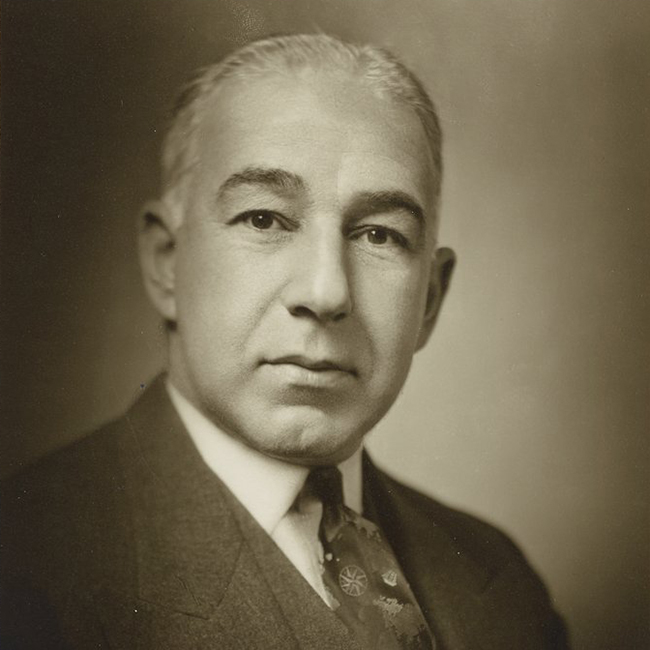
The original entity, name? Blood Research Institute? at BCH, was established by Edwin J. Cohn, Ph.D., (together with someone else at Children’s?) in the 1940’s? EJ Cohn pioneered plasma fractionation, which saved many soldiers’ lives during World War II.
1972
Headline
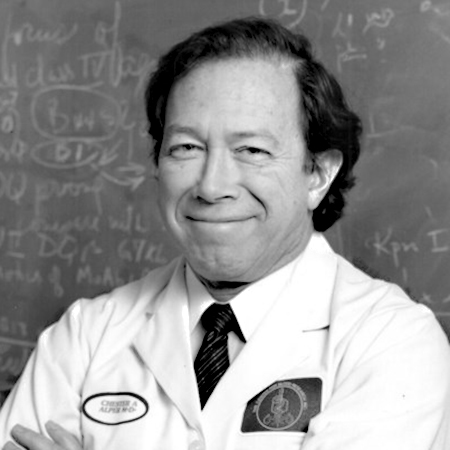
In 1972, the BCH Blood Grouping Lab merged with the Blood Research Institute to become the Center for Blood Research (CBR). Chester Alper, M.D., served as its Scientific Director from 1972 to 1993. Dr. Alpert pioneered the field of complement genetics and made major contributions in the fields of hematology and immunology. Picture of CBR (or IDI)?
1987
Headline
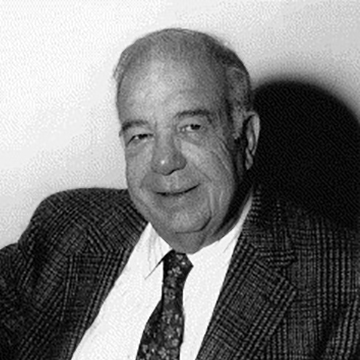
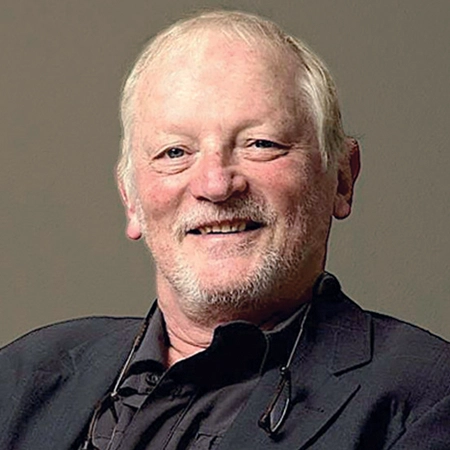
In 1987, Fred S. Rosen, M.D., a world leader in pediatric immunology, became the president of CBR. Dr. Rosen developed bone marrow transplantation as well as the use of intravenous gamma globulin therapy to treat primary immunodeficiencies in children.
2005
Headline
Fred Alt, Ph.D., became the scientific director of CBR in 2005, which was renamed as the Immune Disease Institute (IDI) in 2007. Dr. Alt has made major discoveries on recombination in the immune system, as well as on the mechanisms of blood cancers when the immune system recombination goes wrong.
In 2012, he, together with BCH’s Gary Fleisher, M.D., now Physician-in-Chief at BCH, led IDI’s merger with Boston Children’s Hospital, getting its current name of PCMM. Wendy Chung, M.D., Ph.D, currently holds Dr. Fleisher’s previous position (Chief of Department of Pediatrics) in which she supports PCMM.
2025
Headline
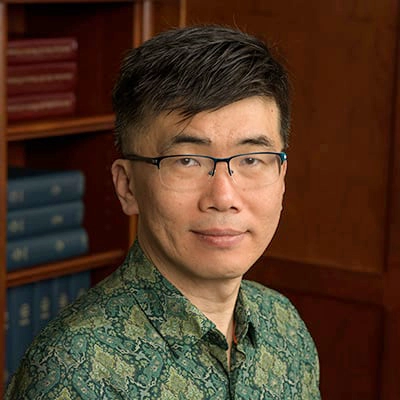
Taekjip Ha, Ph.D., has been the current PCMM Director since 2025. Dr. Ha studies the biophysics of genomic caretakers at a single-molecule resolution, offering unprecedented insight into crucial biological processes at play in normal and pathological conditions, like cancer.
PCMM researchers actively collaborate across their interdisciplinary areas, which in addition to immunology and hematology now include cancer, stem cell biology, neuroscience, and technology development.